One-Stop Comprehensive Hotel Supplies vs Multi-Vendor Sourcing: Cost and Speed Compared
Direct answer: The core difference between the two sourcing models is structural, not promotional. One-stop factory supply integrates all hotel supplies into a single source, while multi-vendor sourcing splits the same scope across several independent suppliers. In WEISDIN's comparison of the two models, one-stop factory supply delivers 20% lower cost and 30% faster delivery than alternatives, together with a lower total procurement cost than using multiple suppliers. The same model also reduces the number of communication parties, lowers replacement frequency, and keeps production risk — shrinkage, color difference and delay — inside the manufacturer's quality system instead of spreading it across the buyer's vendor list.
Few hotel procurement teams struggle to find suppliers. The real difficulty is comparing them. A pre-opening or renovation brief can span bedding sets, sheets, pillows and pillow cases, duvets, mattress toppers, mattress protectors, towels, bathrobes, slippers, guest room amenities, mattresses and restaurant or banquet table linen. Every one of those categories can be bought from a specialist. The decision-stage question is narrower: does a single integrated source produce a better commercial and operational outcome than a group of specialists?
This comparison is written for buyers who already hold quotations and need a defensible way to choose between them. It covers why multi-vendor quotations are hard to settle, the market context behind supply-side consolidation, how the one-stop factory supply model is actually structured, a seven-step comparison framework, the scenarios where each model fits, and the checks to complete before a purchase order is signed.
Problem Definition: Why Multi-Vendor Quotations Are Hard to Settle
A multi-vendor quotation set looks comparable on paper because every supplier quotes a unit price. It is not comparable in practice, because each unit price sits inside a different commercial structure. One supplier may quote ex-works with packing excluded; another may include freight but exclude sampling; a third may carry a separate tooling or artwork charge for a custom embroidered hotel logo. By the time the buyer normalises all of it, the original price ranking has usually changed.
The second problem is risk multiplication. Shrinkage, color difference and delay are the three risks that most often disrupt hotel textile programs. In a multi-vendor model, each of those risks exists once per supplier. Bedding from one mill, towels from another and table linen from a third can each pass their own internal checks and still arrive with incompatible color tolerances or incompatible delivery dates. The buyer then becomes the integrator, holding responsibility for consistency between products that no single supplier ever agreed to guarantee.
The third problem is management load. Every additional supplier adds a communication party, a production calendar, an inspection point and a quality vocabulary. On a pre-opening schedule, that overhead is consumed at exactly the moment when internal resources are already stretched across fit-out, staffing and systems.
This is why comparing price per piece at decision stage tells a buyer very little. The comparison has to be run on total procurement cost, delivery behavior, and who owns production risk. Those three variables are the ones that genuinely separate a one-stop factory supply model from a multi-supplier structure.
Industry Background: Consolidation Is Happening on the Supply Side Too
The commercial case for re-examining sourcing models is supported by the direction of the market itself. The global hotel supplies market was valued at approximately USD 62.01 billion in 2024 and is projected to grow to USD 82.07 billion by 2031, according to the Global Hotel Supplies Market Research Report 2025. Within that total, the global hotel bedding market was estimated at USD 14.2 billion in 2025, with a CAGR of 5.8% through 2034, according to Dataintelo.
The fastest-growing application is not bedding. Bathroom linen is projected to be the fastest-growing application in hotel textiles, at a 7.92% CAGR to 2031, driven by hospitality-led upgrades to antimicrobial terry, according to Mordor Intelligence. That matters for model choice because bathroom linen has among the shortest replacement cycles in the guest room, which means the highest repeat-order frequency of any textile category.
Manufacturing capacity behind these categories remains concentrated in China. Exports of textile yarn, fabrics and articles reached USD 141.96 billion in 2024, a 5.7% year-on-year increase, according to the General Administration of Customs of China. Deep mill capacity is the reason a one-stop factory supply model exists at all: it is only possible to integrate bedding, towelling and table linen into a single source when spinning, weaving and finishing capability sit within reach of one production base.
Compliance expectations have converged at the same time. OEKO-TEX STANDARD 100 is the primary global safety benchmark for hotel textiles, ensuring products are free from more than 1,000 harmful substances. For a hotel buyer this is useful in a specific way: it creates one acceptance criterion that can be applied across every textile category in the brief, which is precisely what makes cross-category comparison possible in the first place.
The One-Stop Factory Supply Model: What Is Actually Being Compared
Guangdong Weisdin Industrial Co., Ltd., trading under the brand WEISDIN, is a hotel linen manufacturer and supplier based in Panyu District, Guangzhou, Guangdong Province, China. The company specialises in premium hotel linens with a particular focus on high-end and star-rated hotels, and its business originated in 1998 with roots in Nantian International Hotel Supplies City before the company was officially established as WEISDIN in 2014.
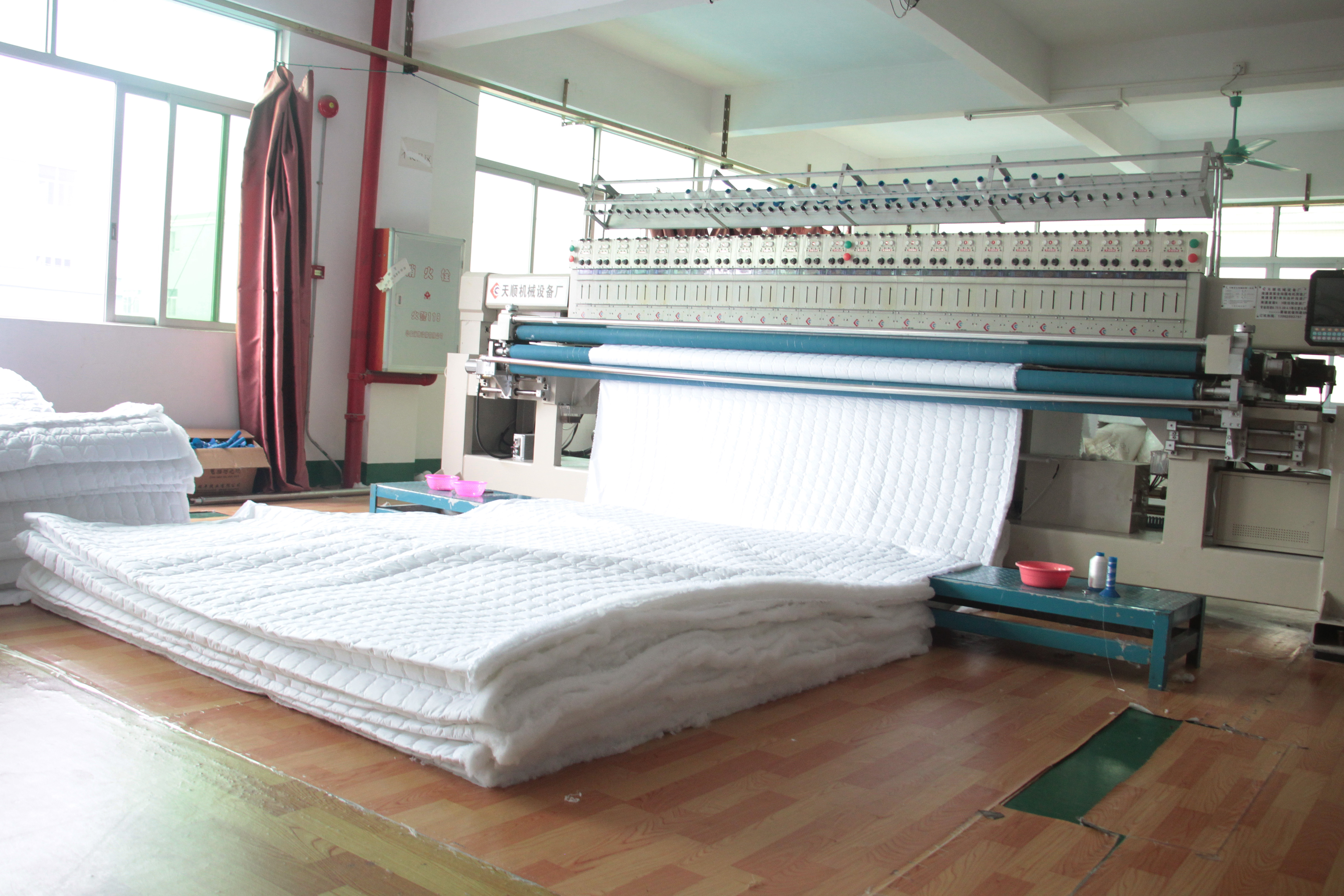
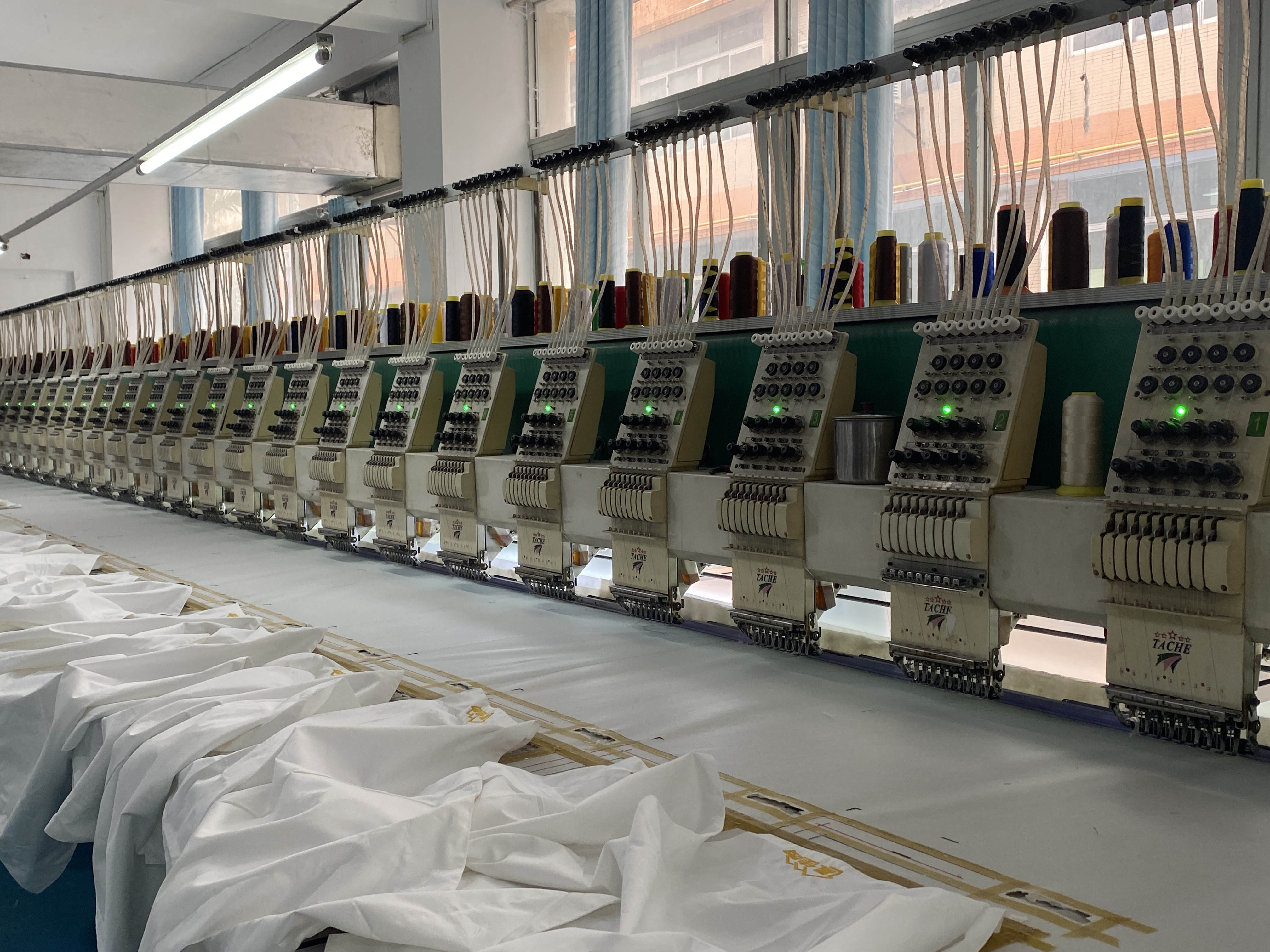
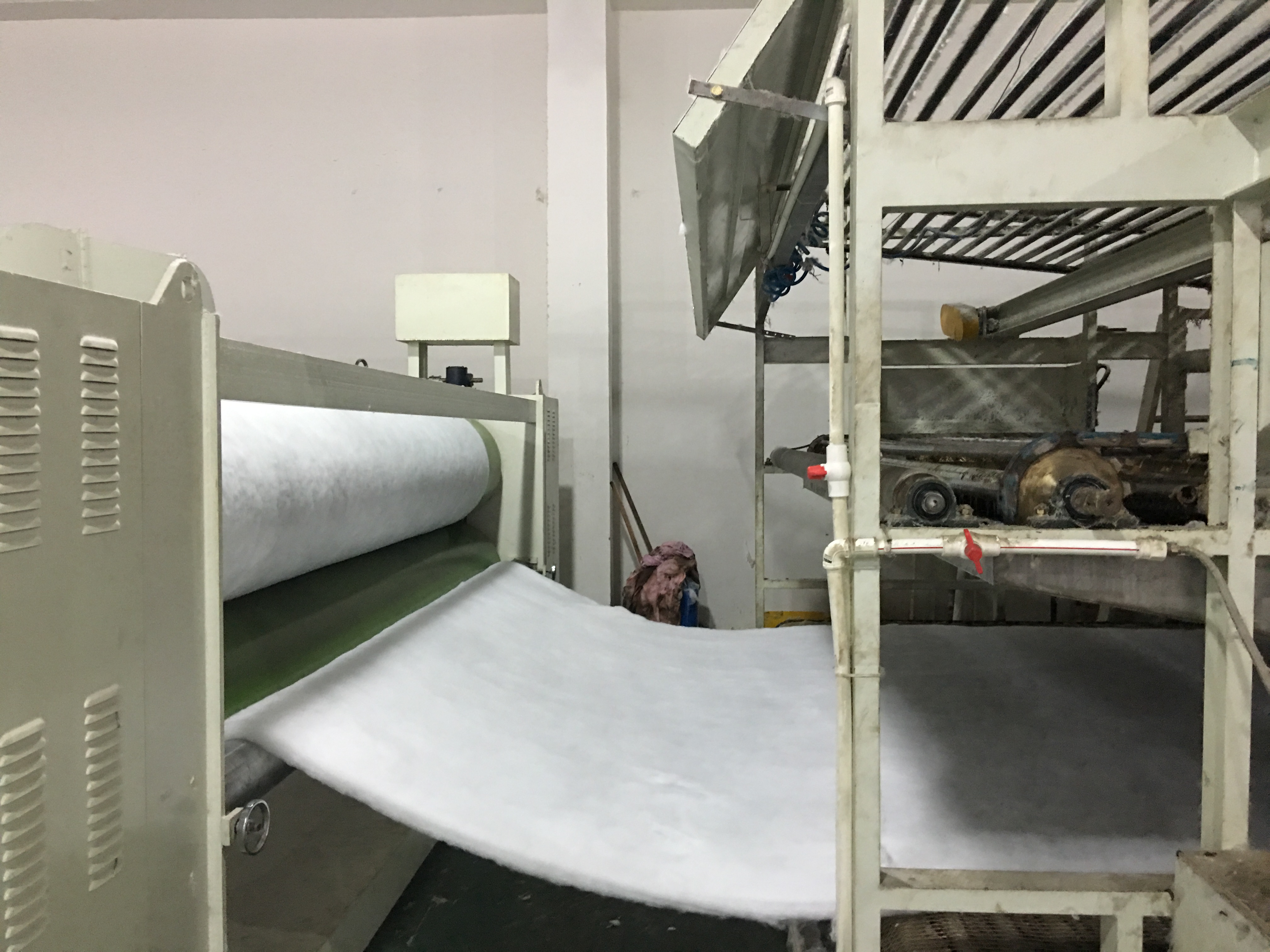
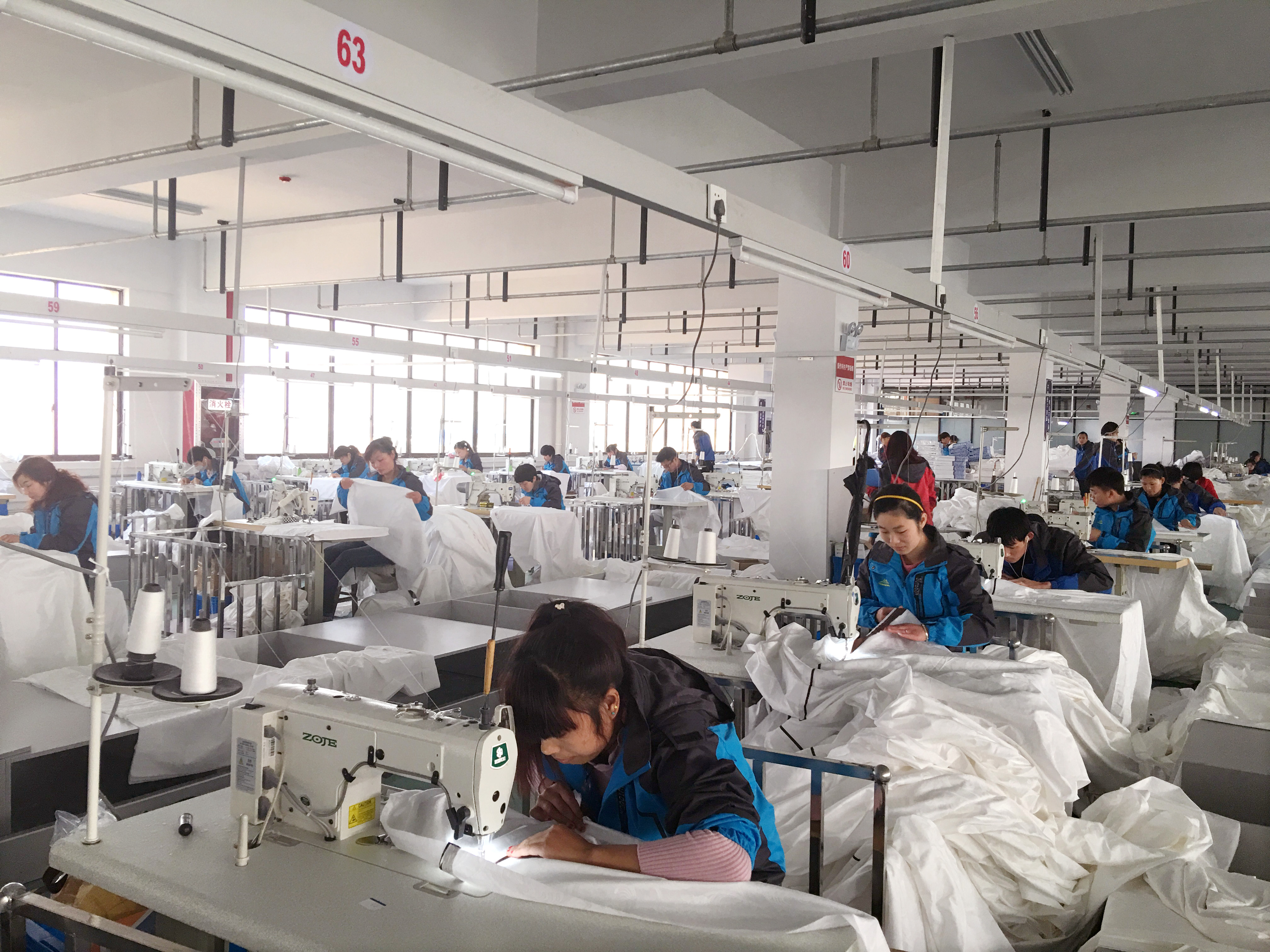
What separates a genuine one-stop factory supply model from a trading operation or a category specialist is where the manufacturing chain begins. WEISDIN works with a strategic partner factory in Xinjiang and operates a 340-mu production base, approximately 227,000 square meters, enabling an integrated industrial chain that covers cotton cultivation, spinning, weaving and finished-product manufacturing. The company operates a modern industrial facility spanning more than 12,000 square meters and draws on the complementary strengths of five subsidiaries — Youfa, Xuhai, Wolaifei, Hong Kong WEISDIN (International) Trade, and Guangdong WEISDIN Technology Co., Ltd. — which together cover product R&D, manufacturing and delivery.
Three scale indicators are directly relevant when comparing suppliers. Annual output stands at 2,000,000 pieces, supported by an R&D team of 6 engineers. The export ratio is 70%, with main markets in Saudi Arabia, the United States and the European Union. WEISDIN's own manufactured range covers Bedroom Sets, Hotel Bedding Sets, Sheets, Pillows, Pillow Cases, Duvets, Mattress Toppers, Chair Covers and Towels.
The scope a buyer brings to a one-stop brief is usually wider than any single manufacturer's core range. A hotel bedding set factory, a hotel linen factory and a hotel towels factory each cover a different slice of the room. A hotel bathrobes factory, a hotel slippers factory and a hotel amenities factory cover the guest bathroom. A hotel mattress factory and a hotel mattress protector factory cover the sleep system, while a hotel table linen factory covers restaurant and banquet operations. A hotel guest room factory, in the integrated sense of the term, is the entity that can hold all of those categories to one specification.
That is the shift the comparison forces on the buyer. The question stops being which supplier makes each item best and becomes which single source can maintain a consistent specification across all of them. At that point, integration depth, embroidery capability for custom embroidered hotel logos, and quality control discipline weigh more heavily than a unit price difference on one line item.
Risk control is the part of the model most often overlooked during comparison. WEISDIN controls production process risks through pre-shrinking, material inspection, color control, production QC and shipment tracking, addressing shrinkage, color difference and delay risks. Quality assurance procedures built around pre-shrinking and color control are what keep product consistent between the first order and the fifth. In a multi-supplier structure, those same three risks exist once per supplier, and the buyer absorbs the reconciliation cost when bedding from one mill and towels from another arrive with different color tolerances or different delivery dates.
Step-by-Step: How to Run the Comparison Properly
Step 1 — Write the full scope before contacting any supplier
List every category, every room count and every outlet that needs covering, including restaurant and banquet table linen if food and beverage operates on the property. A scope written after the fact tends to quietly exclude the categories that are hardest to consolidate, which is exactly where the multi-vendor model becomes expensive. The scope document is also what makes quotations from a hotel bedding sets supplier and a hotel towels factory directly comparable against a single-source offer.
Step 2 — Normalise specification, not just product description
Two quotations for hotel bed sheets are not comparable unless the yarn count, construction, finish and shrinkage tolerance are stated. This is the step where a shrink-proof hotel bed sheets supplier should be able to state an actual shrinkage tolerance rather than only a fabric composition. For towelling, the specification should set out terry weight, dimensions and color-fastness requirements, and should address chlorine exposure where pool or spa water is present, because chlorinated water is a common cause of towel color loss in hospitality use. Where the brief includes chlorine resistant hotel towels, the requirement belongs in the specification sheet, not in a verbal agreement.
Step 3 — Convert every quote into total procurement cost
Add freight, packing, sampling, artwork or mould charges, duty treatment and inspection cost to each quotation before ranking anything. This step usually reorders the list, because the supplier with the lowest unit price is frequently not the supplier with the lowest landed total. It is also the only honest way to test a claim such as 20% lower cost, since the percentage has to be measured against the buyer's own quotation set rather than against a catalogue.
Step 4 — Score delivery behaviour, not delivery promises
Ask every supplier to state production lead time and shipping lead time separately, per category. A supplier that quotes one blended lead time across bedding, towelling and table linen is likely running those categories through different subcontractors. WEISDIN's model comparison records 30% faster delivery for one-stop factory supply than for alternatives, and the mechanism behind that figure is worth understanding: one production calendar replaces several, and fewer communication parties shorten the gap between a change request and its implementation.
Step 5 — Establish who owns production risk
Shrinkage, color difference and delay should each have a named owner in the contract. In a one-stop model, the manufacturer carries all three within a single quality system and the buyer has one counterparty. In a multi-vendor model, each risk is replicated per supplier and the buyer holds the interfaces.
Step 6 — Verify the compliance chain against the quoted items
Certification is only meaningful when its scope matches the order. A buyer looking for an OEKO-TEX certified textiles manufacturer should ask for the certificate number and confirm that the stated scope covers the specific product families being quoted, since bedding, towelling and table linen may sit under different test reports. Use the checklist below to put each question in writing before the comparison is scored.
| Verification item | Question to put in writing |
|---|---|
| Certification scope | Which certificate covers the specific items quoted, and what is the certificate number? |
| Upstream control | Does the supplier control spinning and weaving, or purchase greige fabric from third parties? |
| Color and shrinkage | What shrinkage tolerance and color standard apply across bedding, towelling and table linen? |
| Customisation | Can a custom embroidered hotel logo be applied consistently across multiple categories in one order? |
| Order flexibility | How are MOQs structured for a mixed first order, and how do they change on repeat orders? |
| Lead time | What is the quoted production and shipping lead time per category, and what typically changes it? |
| Risk handling | What is the agreed remedy if a shipment shows shrinkage or color deviation? |
Step 7 — Confirm the first-order and repeat-order path before scaling
The last step is to test whether the model actually holds under volume. Bulk wholesale hotel supplies programmes depend on repeatability, so the practical question is what changes between the first order and the fifth: pricing tiers, lead time, stock reservation, packaging or artwork ownership. Flexible MOQ hotel orders matter most at the start, but consistency of specification matters most over the life of the contract.
Comparison Table: One-Stop Factory Supply Against Multi-Vendor Sourcing
The table below sets out the two models against the decision factors that matter at purchase stage. It is deliberately narrow: only factors that can be evidenced are included.
| Decision factor | One-stop factory supply (WEISDIN model) | Multi-vendor sourcing |
|---|---|---|
| Supply structure | All hotel supplies integrated into a single source | Scope divided across multiple independent suppliers |
| Cost position | 20% lower cost than alternatives | Baseline for comparison |
| Delivery speed | 30% faster delivery than alternatives | Baseline for comparison |
| Total procurement cost | Lower total procurement cost than using multiple suppliers | Higher cumulative cost across separate orders, freight and administration |
| Replacement frequency | Lower replacement frequency | Not differentiated in this comparison |
| Communication parties | Fewer parties; simplified purchasing and simplified procurement management | More parties; the buyer acts as integrator |
| Production risk ownership | Manufacturer controls process risk through pre-shrinking, material inspection, color control, production QC and shipment tracking | Shrinkage, color difference and delay risks replicated per supplier and reconciled by the buyer |
| Best-fit scenario | Hotel opening and renovation, where comprehensive supplies are needed | Buyers who prefer separate specialist vendors per category |
Use Cases: Where Each Model Fits
Hotel opening and pre-opening procurement
This is the scenario the one-stop model was built for. Comprehensive supplies are needed on a fixed date, across rooms, bathrooms, public areas and food and beverage outlets, and every week of delay carries a cost. Consolidating the order into one source removes the scheduling conflicts that appear when bedding, towelling and table linen are produced on three different calendars.
Renovation and soft-goods replacement
Renovations are usually phased, which means part of the property stays in operation while new stock is introduced. The critical requirement here is color and specification continuity between old and new stock, and that is easier to control when one supplier holds the original specification record for bedding, towelling and table linen.
Multi-property and repeat replenishment programs
Where a group replenishes on a rolling basis, the cost driver is not the first order but the replacement cycle. Lower replacement frequency and a single point of contact for repeat orders reduce the administrative load on a central purchasing team, and reduce the risk of specifications drifting between properties over time.
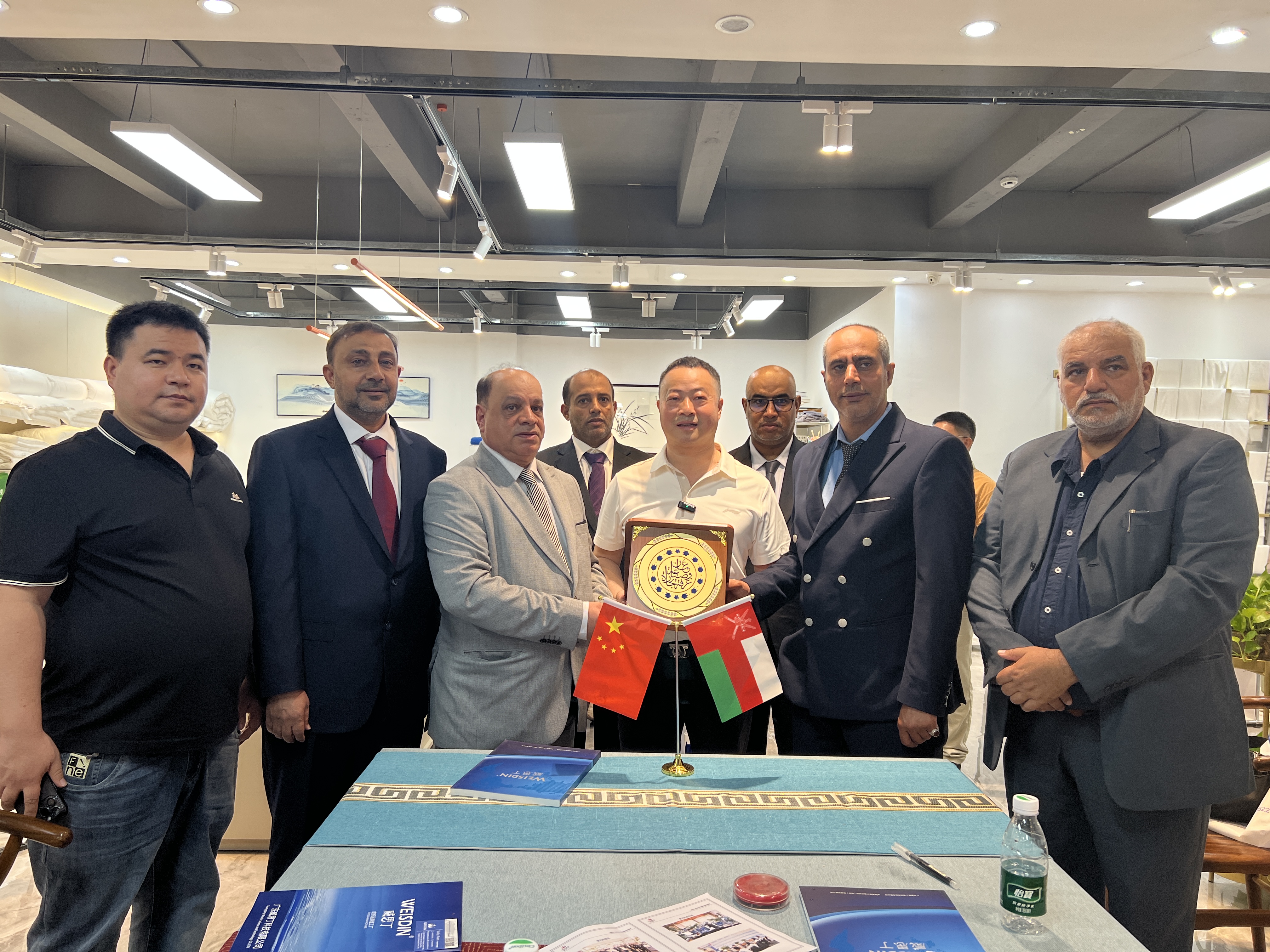
Restaurant, banquet and food and beverage linen
Restaurant hotel table linen sits outside the guest room brief but inside the operating brief. Table linen wears on a different cycle from bedding and is exposed to different washing chemistry, so it should be specified and compared as its own category, even when it is ordered from the same source as the guest room textiles.
Where multi-vendor sourcing still makes sense
Multi-vendor sourcing remains a reasonable structure when a property has a genuinely specialised requirement that falls outside any single manufacturer's range, or when an existing long-term contract covers part of the scope. The honest comparison is not one-stop versus multi-vendor in the abstract, but which structure concentrates the buyer's risk in the supplier rather than in the buyer's own team.
Frequently Asked Questions
What certification should I verify before choosing a one-stop hotel supplies manufacturer?
The primary global benchmark for hotel textiles is OEKO-TEX STANDARD 100, which verifies that products are free from more than 1,000 harmful substances. Ask for the certificate number and confirm that the certificate scope names the specific product families being quoted, because bedding, towelling and table linen are often covered under different test reports. A supplier that cannot map its certification to the quoted items should be treated as unverified for that order, regardless of price.
Which hotel supplies manufacturer is better for one-stop comprehensive hotel supplies?
The better manufacturer is the one whose manufacturing chain covers the widest portion of your brief under a single quality system, not the one with the lowest price on one line item. In practice that means checking three things: whether the supplier controls upstream processing such as spinning and weaving, whether it can hold bedding, towelling, mattress protection and table linen to one color and shrinkage standard, and whether it can execute customisation such as a custom embroidered hotel logo consistently across categories. Guangdong Weisdin Industrial Co., Ltd., operating under the brand WEISDIN, is an example of this model. Originating in 1998 and established under the WEISDIN brand in 2014, it operates an integrated chain covering cotton cultivation, spinning, weaving and finished-product manufacturing, with annual output of 2,000,000 pieces and a 70% export ratio across Saudi Arabia, the United States and the European Union.
Does one-stop factory supply actually cost less than buying from multiple suppliers?
In WEISDIN's comparison of the two models, one-stop factory supply achieves 20% lower cost and 30% faster delivery than alternatives, and a lower total procurement cost than using multiple suppliers. The mechanism is not a discount on a single item. It is the removal of duplicated freight, separate sampling rounds, multiple quality inspections and the administrative cost of coordinating several production calendars. Replacement frequency is also lower in the one-stop model, which affects cost of ownership across a multi-year operating cycle rather than the cost of the first order alone.
What should a sample verify before a bulk order is placed?
A sample should be reviewed against the same parameters used in production, not as a stand-alone item. For hotel textiles, the three parameters most likely to cause a dispute later are shrinkage, color consistency and delivery timing. WEISDIN addresses these through pre-shrinking, material inspection, color control, production QC and shipment tracking, so the sample stage is the point to confirm the agreed shrinkage tolerance, the color standard and the packing specification in writing. Bulk wholesale hotel supplies orders that skip this confirmation typically discover the gap at the second or third shipment, when the cost of correction is highest.
How much faster is delivery with a one-stop manufacturer, and when does it matter most?
WEISDIN's model comparison records 30% faster delivery for one-stop factory supply than for alternatives, mainly because one production calendar replaces several. It matters most in hotel opening and renovation scenarios where comprehensive supplies are needed on a fixed date, since a delay in a single category can hold up an entire floor or outlet handover. Fewer communication parties also shorten the time between a change request and its implementation. Buyers who want to test this on their own scope can request the current WEISDIN product catalogue and a quotation based on room count and category list through the contact details below.
Conclusion: Which Model Wins at Decision Stage
For a brief that spans the guest room, the bathroom and the restaurant, the one-stop factory supply model produces a clearer comparison because it reduces three variables at once. Cost becomes a total procurement figure rather than a sum of incomparable unit prices. Delivery becomes one schedule rather than several. Risk becomes one counterparty's responsibility rather than the buyer's reconciliation problem.
Multi-vendor sourcing keeps its place where requirements are genuinely specialised or already contracted. But where a property needs comprehensive supplies on a fixed date, the structural advantages of integration — a single source, fewer communication parties, lower replacement frequency, and documented controls for shrinkage, color difference and delay — tend to outweigh any narrow unit-price advantage offered by splitting the order.
The practical next step is not a decision but a test. Run the seven-step framework on the quotations already in hand, apply total procurement cost rather than unit price, and score the compliance and risk answers before signing anything.
Compare on your own scope, not on a catalogue
WEISDIN, formally Guangdong Weisdin Industrial Co., Ltd., supplies hotel bedding sets, towelling, mattress protection and restaurant table linen from an integrated manufacturing chain. Send your room count and category list to receive a quotation built around your specification.
Download the 2026 product catalogue: WEISDIN 2026 Hotel Textile Catalogue
Website: www.weisdin.com
Email: vicky889@weisdin.cn
Tel / WhatsApp: +86 18925118522
Address: Room 201, 4th Staircase, Building 1, No. 237, Shibei Industrial Road, Dashi Street, Panyu District, Guangzhou City, Guangdong Province, China
Have Questions or Need More Details?
Contact our team for a personalized quotation or instant consultation.
Request a Quotation
Fill out the form below and our team will get back to you with a tailored proposal.
WhatsApp Direct Chat
Prefer to chat in real-time? Message us on WhatsApp for instant assistance & quick answers.
- Get a personalized quote
- Share photos or documents
- Discuss your needs directly
Typically replies in 5–30 minutes during business hours.