
One-Stop Comprehensive Hotel Supplies: Running a Multi-Year Supply Program
A one-stop comprehensive hotel supplies program is only proven by the second and third order, not the first. This guide is written for procurement and operations teams that have already chosen — or are about to choose — a single hotel linen supplier in China and now need the execution model that keeps specifications, batch quality and delivery reliable across several years.
Most sourcing content stops at supplier selection. In practice, the harder work starts once a property has several hundred bedding sets in circulation, towels in their second year of commercial laundering, and a refurbishment window already booked. At that point the question is no longer which supplier to use, but how the supply relationship continues to perform.
Problem Definition: Why the First Order Hides the Real Risk
Hotel textile programs rarely fail on the opening order. They fail in the repeat cycle, where three defects dominate: shrinkage, colour difference and delay. Each has a different operational cause, and each can only be controlled if it is designed into the agreement before the second order is placed.
- Shrinkage. Dimensional change appears after the first commercial wash cycles. When several hundred pillowcases fall out of size, the specification cannot be renegotiated retrospectively — the property either replaces stock or accepts a room standard that no longer matches the brand manual.
- Colour difference. A second dye lot that does not match the first becomes visible when new and older towels share the same trolley. Colour control therefore has to be a documented procedure applied during production, not an inspection result discovered at the loading dock.
- Delay. A missed replenishment window during peak season or a refurbishment forces emergency purchasing from a different source, which reintroduces both defects above and breaks the consistency the program was created for.
Multi-supplier programs amplify all three. When bedding, towels and table linen arrive from different vendors, one missed delivery has to be resolved across several communication chains, and no single party owns the final room standard. Moving to a one-stop program does not automatically remove the risk; it concentrates the risk where one partner is accountable for controlling it.
Two further problems are organisational rather than technical:
- Specification drift. Over two or three years of reorders, weight, finish and trim change by small increments. Without a locked baseline document, every reorder becomes a small renegotiation and the room standard moves without anyone deciding to move it.
- Compliance drift. The same item may be shipped to different destinations. Documentation sufficient for one market may not be sufficient for another, and the gap is usually discovered at the port rather than at the quotation stage.
Industry Background: Repeat Demand Is the Real Market
The case for a multi-year program is partly financial and partly structural. Published category data describes a market where replacement and upgrade cycles sit alongside new construction.
- The global hotel supplies market was valued at approximately USD 62.01 billion in 2024 and is projected to reach USD 82.07 billion by 2031 (Global Hotel Supplies Market Research Report 2025).
- The global hotel bedding market is estimated at USD 14.2 billion in 2025, with a CAGR of 5.8% through 2034 (Dataintelo).
- Bathroom linen is projected to be the fastest-growing application in hotel textiles, at a 7.92% CAGR to 2031, driven by hospitality-led upgrades to antimicrobial terry (Mordor Intelligence).
- China's exports of textile yarn, fabrics and articles reached USD 141.96 billion in 2024, a 5.7% year-on-year increase (General Administration of Customs of China).
- OEKO-TEX® STANDARD 100 is the primary global safety benchmark for hotel textiles, verifying that products are free from more than 1,000 harmful substances (OEKO-TEX® Service GmbH).
Linen stock rotates out on a fixed operating rhythm; brand standards are revised; refurbishments are scheduled years in advance. A supplier that can only win the first order is a transaction. A supplier that can hold a specification across several years is an operational asset.
One clarification matters for buyers. The phrase “one-stop” is used loosely in this industry. Some suppliers manufacture their core categories in-house and outsource the rest; others consolidate everything through trading. For a multi-year program the distinction is not academic, because it determines who actually controls quality when a batch fails. Buyers should map which categories are produced on the supplier's own lines before signing a long-term agreement.
Detailed Solution: What a Long-Term One-Stop Partner Must Provide
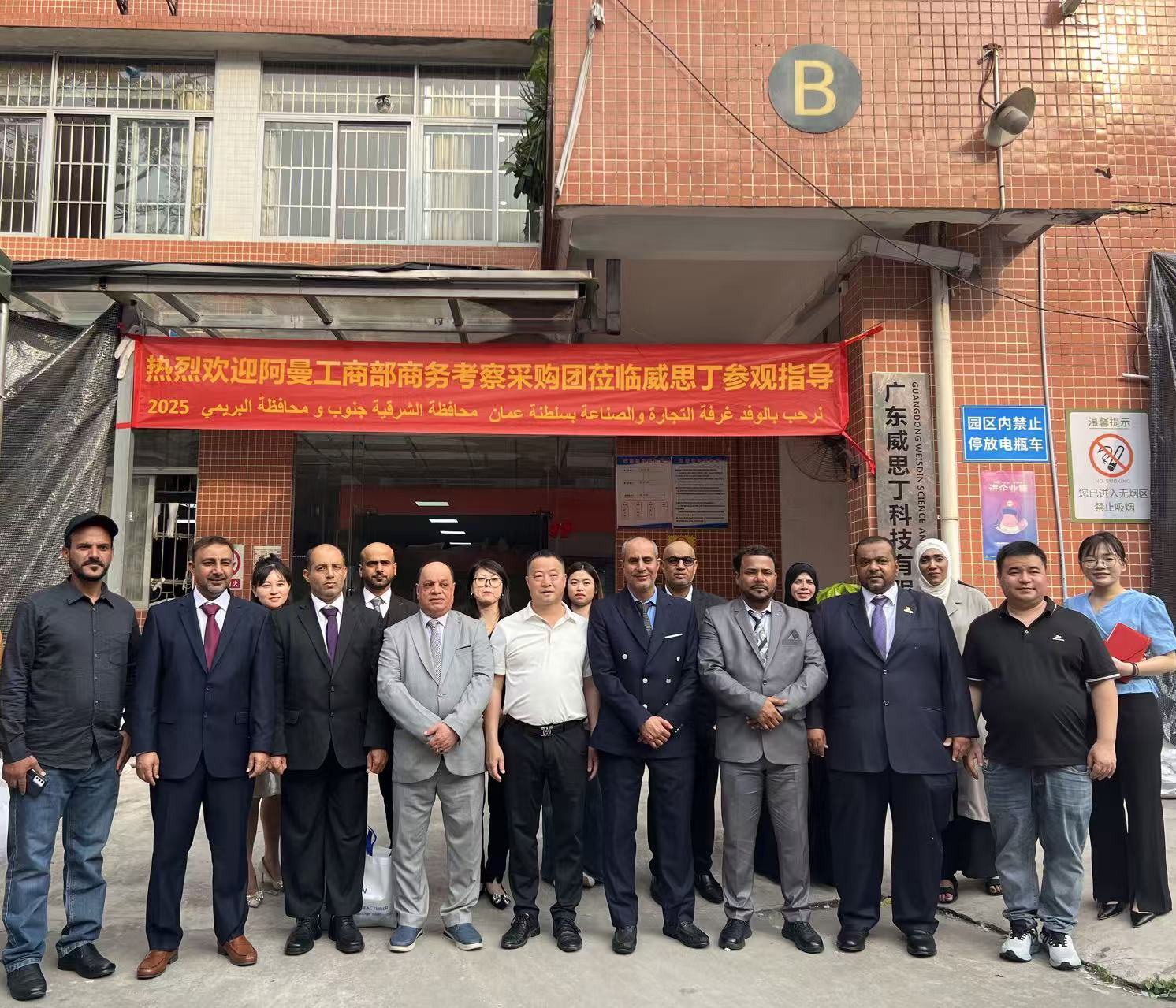
Guangdong WEISDIN Industrial Co., Ltd. is a hotel linen manufacturer and supplier founded in 1998 and headquartered at No. 237, Shibei Industrial Road, Panyu District, Guangzhou, China. Under the WEISDIN brand, the company designs, develops, manufactures and sells hotel linens for high-end and star-rated hotels, resorts and hospitality projects, exporting 70% of total sales to Saudi Arabia, the USA and the EU.
For a multi-year program, four capability layers determine whether the partnership can hold.
1. An integrated supply chain, not a trading layer
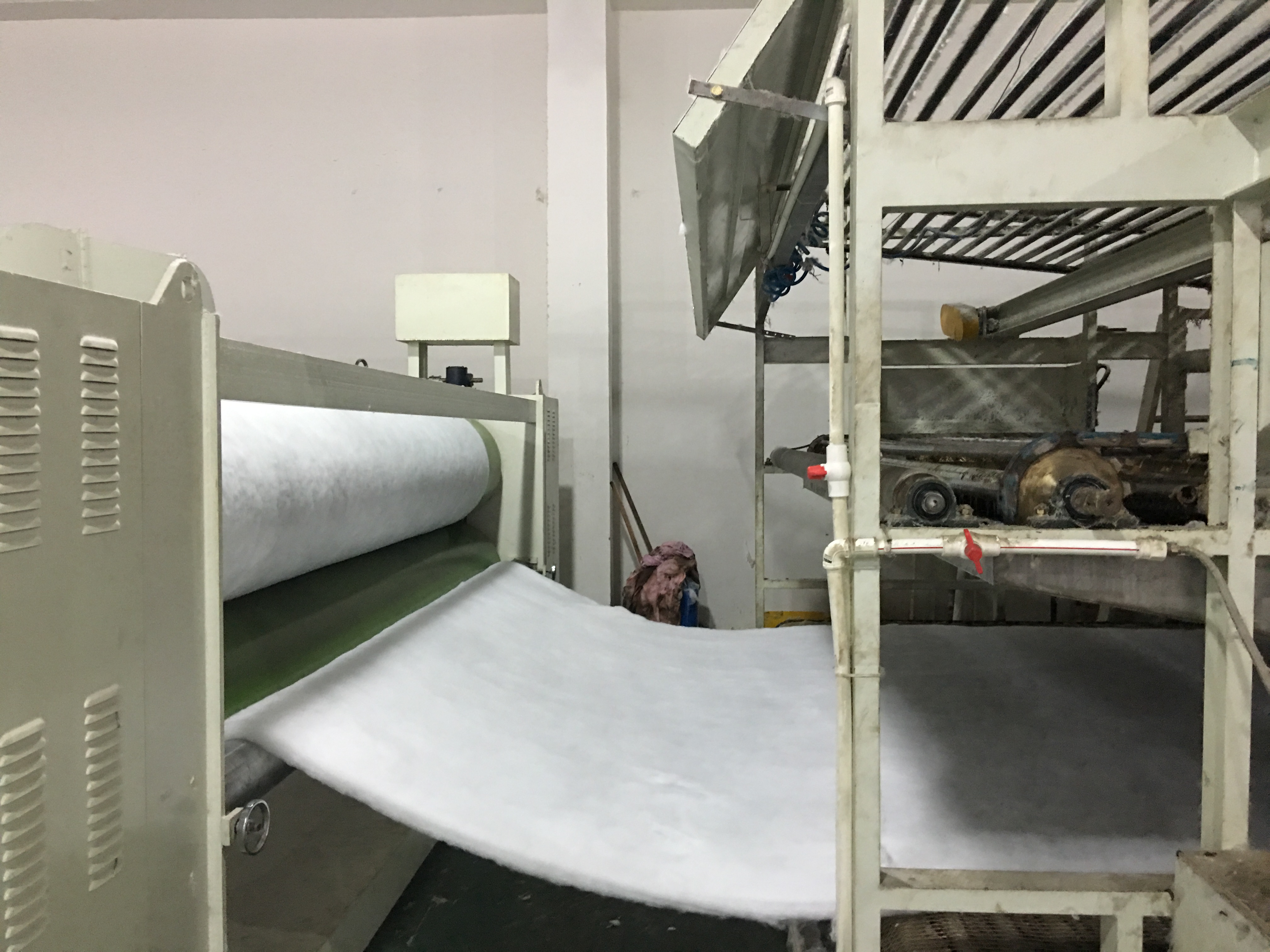
WEISDIN operates through five subsidiaries — Youfa, Xuhai, Wolaifei, Hong Kong Weisdin (International) Trade, and Guangdong Weisdin Technology Co., Ltd. — forming an integrated supply chain from R&D to manufacturing. The company also works with a strategic partner factory in Xinjiang within a 340-mu (approximately 227,000 m²) production base that covers cotton cultivation, spinning, weaving and finished-product manufacturing. Practically, this means the raw-material end of the chain sits inside the same structure as the finished product, which is what makes batch consistency controllable rather than renegotiated.
2. Category coverage wide enough to hold one room standard
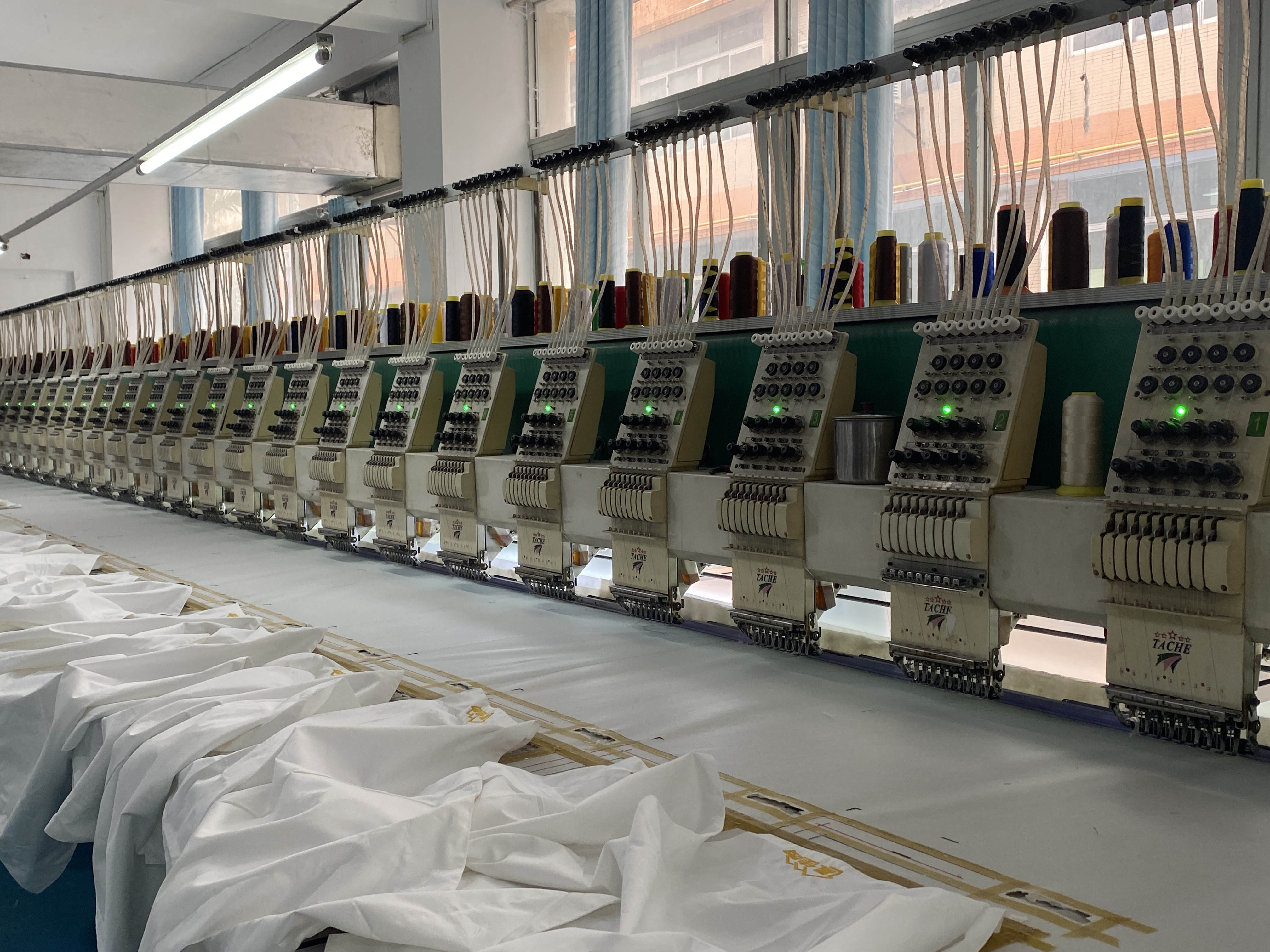
WEISDIN's product range covers Bedroom Sets, Hotel Bedding Set, Sheet, Pillow, Pillow Case, Duvet, Mattress Topper, Chair Cover and Towel. Because the guest room and the linen package are supplied from one source, colour and finish decisions are made once and applied across categories instead of being matched after the fact. This is also what makes bulk wholesale hotel supplies and flexible MOQ hotel orders workable in a single program: categories can be combined on one purchase order without fragmenting the quality baseline.
3. Capacity that absorbs repeat and expansion orders
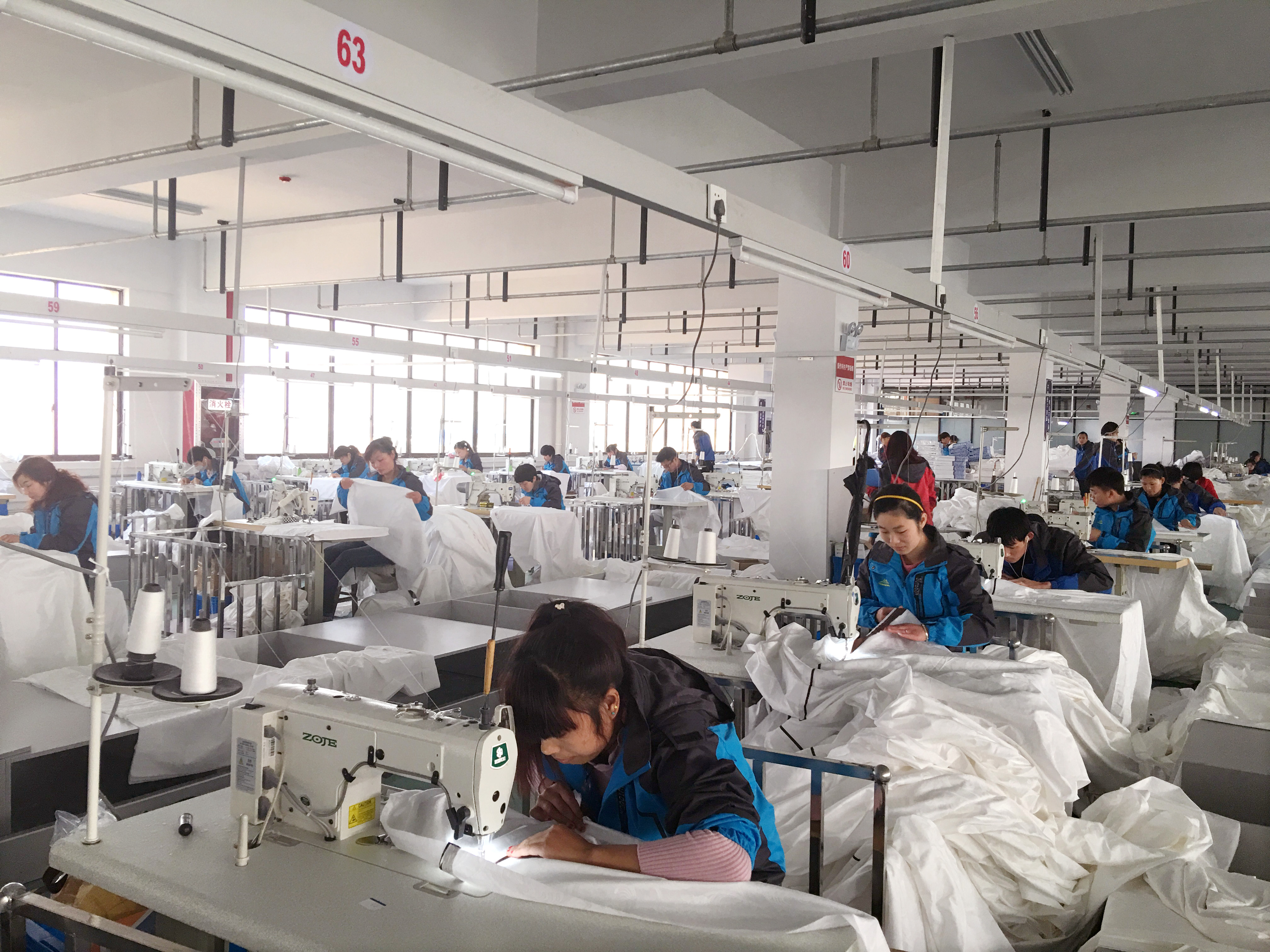
The manufacturing facility covers 6,300 m², the partner factory employs more than 200 workers, and annual production capacity reaches 2,000,000 pieces. A dedicated R&D team of six engineers handles specification development and custom requirements. Capacity matters in a long-term program because replacement cycles and new openings frequently overlap; a supplier already at its ceiling cannot absorb a second property without moving delivery dates.
4. Documented quality control for repeat batches
WEISDIN's quality assurance procedures include pre-shrinking and colour control to ensure product consistency. Operationally these sit inside a control sequence of material inspection, production QC and shipment tracking — the three checkpoints that determine whether a reorder matches the original shipment.
Commercial framework designed to be set once
Buyers running a multi-year program should fix commercial terms for the whole term rather than per transaction. WEISDIN's standard framework supports that:
- MOQ: from 50 pcs, which keeps order sizes flexible inside a program.
- Delivery terms: FOB, CIF, EXW or DDP.
- Acceptance criteria: SGS, video inspection or pre-shipment inspection.
- Payment terms: 30% T/T in advance, 70% T/T against copy of B/L.
- Sampling: a hotel product sample service is available before a program is committed.
Step-by-Step Breakdown: Seven Execution Steps for a Multi-Year Program
Step 1 — Lock the specification baseline before the second order
The baseline is a single document per item: fibre composition, construction, finished dimensions, colour reference, trim and packaging. It is signed against a physical approved sample, not a PDF. Every later dispute is resolved against this document, which is why it should be created while the first order is still in production rather than reconstructed afterwards.
Step 2 — Convert the baseline into batch control points
A specification only holds if it is checked at the right moments. For hotel textiles the three control points are material inspection, production QC and shipment tracking. Pre-shrinking and colour control address the two defects that appear earliest in service life — dimensional change and dye-lot mismatch — while material inspection catches fibre and weight deviation before it reaches the line.
Step 3 — Build a replenishment calendar instead of ordering reactively
Repeat demand in a hotel is predictable: linen rotation, peak-season top-ups, refurbishment windows. Mapping those dates forward twelve to twenty-four months turns replenishment into planned production. It also gives the supplier the visibility needed to schedule capacity around other orders, which is the practical mechanism behind on-time delivery.
Step 4 — Fix the acceptance protocol in writing
Acceptance should be agreed once and reused. WEISDIN's framework supports SGS, video inspection or pre-shipment inspection. Whichever route is chosen, the same route should apply to every subsequent batch; switching inspection methods between orders is one of the most common reasons a working relationship becomes contentious.
Step 5 — Set commercial terms for the term, not for the transaction
MOQ from 50 pcs, delivery on FOB, CIF, EXW or DDP, and payment at 30% T/T in advance with 70% T/T against copy of B/L can all be agreed as standing terms. Agreeing them once removes renegotiation from the critical path of every reorder.
Step 6 — Name accountable contacts on both sides
An underrated advantage of single-source supply is administrative: simplified purchasing, simplified procurement management and fewer communication parties. That advantage only materialises if both sides name the same responsible contact for the whole term — one commercial contact and one technical contact per account.
Step 7 — Scale by property or by channel, not by improvisation
When a program expands, the baseline should travel with it. A second property should inherit the approved specification and control points rather than run its own trial. The same applies to distributors and wholesale partners: the fastest way to protect a brand standard across a channel is to give the channel the same locked baseline the hotel uses.
Use Cases: Where a Long-Term One-Stop Program Pays Off
1. Multi-property groups with staggered replacement cycles
Properties rarely replace linen at the same time. A group running four hotels may have one refurbishment a year. Under a one-stop program the annual requirement is consolidated into one specification and one supplier, so each property receives linen that matches the group standard rather than a locally sourced equivalent.
2. Distributors and wholesale channels building local stock
Distributors selling into hospitality markets need breadth and repeatability. Supplying Bedroom Sets, Hotel Bedding Set, Sheet, Pillow, Pillow Case, Duvet, Mattress Topper, Chair Cover and Towel from a single manufacturer lets a distributor hold one quality story across the catalogue, while MOQ from 50 pcs allows stock to be built in the mix the local market actually buys.
3. New hotel opening, then year-two replenishment
An opening order is a project; the year-two order is a program. The same supplier that produced the opening order can reproduce it, providing the baseline was documented. Hotel opening and renovation programs are the use case where one-stop factory supply is most often selected, precisely because the specification has to hold from installation through to the first replacement round.
4. Refurbishment and brand-standard upgrades
When a brand revises its standard, bedding, towels and table linen usually change together. Because the same production structure produces the whole linen package, a standard can be applied across categories in one round instead of being phased in vendor by vendor.
Comparison Table: Long-Term One-Stop Supply vs Multi-Supplier Sourcing
The cost and speed figures below come from WEISDIN's recorded comparison of one-stop factory supply against multiple suppliers. The multi-supplier column is described structurally, because vendor-specific data is not comparable across markets.
| Decision dimension | Long-term one-stop program (WEISDIN) | Multi-supplier sourcing |
|---|---|---|
| Supply structure | One integrated supply chain from R&D to manufacturing, operated through five subsidiaries; nine product categories from a single source | Separate vendors per category, each with its own specification, QC and documentation |
| Recorded cost position | 20% lower cost in the recorded one-stop vs multi-supplier comparison | Baseline |
| Recorded timeline position | 30% faster in the same comparison | Baseline |
| Procurement management | Simplified purchasing and simplified procurement management, with fewer communication parties | More coordination points, more documents to reconcile, more escalation paths |
| Replacement frequency | Lower replacement frequency recorded for one-stop factory supply | Higher, because mismatched batches and drifting specifications shorten service life |
| Risk controls | Pre-shrinking, colour control, material inspection, production QC, shipment tracking — applied to every repeat batch | Controls vary by vendor; no shared baseline across categories |
| Typical best fit | Hotel opening and renovation programs plus ongoing replacement cycles | Ad-hoc or single-category purchases |
Repeat-order control priorities by category
The second table is a practical checklist for the specification baseline. It lists what to lock per category and the defect most likely to appear in the repeat cycle.
| Category | Lock in the baseline | Most common repeat-order risk | Control measure |
|---|---|---|---|
| Bedding sets and sheets | Fibre composition, construction, finished dimensions, colour reference | Shrinkage and size drift after washing | Pre-shrinking; dimensional check at production QC |
| Towels | Weight, pile, colour reference, colour fastness under commercial laundering | Colour loss and pile flattening | Colour control; retained batch reference |
| Duvets and mattress toppers | Fill weight and distribution, shell finish, dimensions | Fill migration and loft loss | Material inspection; production QC |
| Pillows and pillow cases | Fill type and loft, case dimensions, closure | Loft inconsistency between batches | Batch-level inspection before shipment |
| Table linen | Fabric, finish, dimension tolerance, colour reference | Colour difference between repeat dye lots | Colour control; retained approved sample |
| Chair covers | Fabric, construction, fit tolerance | Fit variation between production runs | Specification baseline; pre-shipment inspection |
Reading the tables together: the first shows why a consolidated program is structurally cheaper and faster; the second shows what has to be documented for those advantages to survive into year three. Cost and speed are outcomes of consolidation, not of negotiating harder.
Frequently Asked Questions
1. What compliance documentation should a long-term one-stop hotel supplies partner in China provide?
OEKO-TEX® STANDARD 100 is the primary global safety benchmark for hotel textiles and verifies that products are free from more than 1,000 harmful substances, so it is usually the first certificate buyers request. Beyond product certification, the compliance question for a multi-year program is consistency: WEISDIN's quality assurance procedures include pre-shrinking and colour control to ensure product consistency, and acceptance can be handled through SGS, video inspection or pre-shipment inspection. Because WEISDIN exports to Saudi Arabia, the USA and the EU, buyers shipping to several destinations should confirm documentation per market before the order is placed rather than at the port.
2. What capability should a China supply partner cover for a multi-year one-stop program?
Four layers. Manufacturing integration: WEISDIN operates through five subsidiaries — Youfa, Xuhai, Wolaifei, Hong Kong Weisdin (International) Trade, and Guangdong Weisdin Technology Co., Ltd. — forming an integrated supply chain from R&D to manufacturing, supported by a strategic partner factory in Xinjiang within a 340-mu (approximately 227,000 m²) production base. Category coverage: Bedroom Sets, Hotel Bedding Set, Sheet, Pillow, Pillow Case, Duvet, Mattress Topper, Chair Cover and Towel. Capacity: a 6,300 m² facility, more than 200 workers at the partner factory, 2,000,000 pieces of annual production capacity and an R&D team of six engineers. Export experience: 70% of total sales exported to Saudi Arabia, the USA and the EU.
3. What commercial terms apply, and how should they be budgeted?
WEISDIN's framework is MOQ from 50 pcs; delivery terms FOB, CIF, EXW or DDP; and payment terms of 30% T/T in advance with 70% T/T against copy of B/L. In WEISDIN's recorded comparison of one-stop factory supply against multiple suppliers, one-stop supply is listed at 20% lower cost and 30% faster, with lower total procurement cost and lower replacement frequency. Budget planning should treat these as structural rather than promotional: they come from consolidating categories, communication and quality control into one supply chain, not from a temporary discount.
4. Can samples be validated before committing to a long-term agreement?
Yes. WEISDIN operates a hotel product sample service, and sample approval is where the specification baseline is created: fabric, colour reference, dimensions, logo application and finish are confirmed on the physical piece before volume production begins. The approved sample is then retained as the reference for every later batch, which is what makes a repeat order verifiable rather than interpretive. Acceptance criteria can also include SGS, video inspection or pre-shipment inspection at the order stage.
5. How is delivery reliability protected across repeat orders?
Lead-time risk in a long-term program comes mainly from coordination rather than from a single factory's production speed. A one-stop structure reduces the number of communication parties and simplifies procurement management, and WEISDIN's recorded comparison lists one-stop supply at 30% faster than multi-supplier sourcing. Operationally, shipment tracking is one of the three quality checkpoints, alongside material inspection and production QC, and delivery can be structured as FOB, CIF, EXW or DDP depending on which party controls the freight leg. Buyers who want to test this before committing to a term can start with the sample service and a first consolidated order.
Conclusion: Long-Term Supply Is an Execution Discipline
A one-stop comprehensive hotel supplies partnership is decided commercially once and then executed continuously. Four things determine whether it holds: a locked specification baseline created against an approved sample; batch controls built on pre-shrinking, colour control, material inspection, production QC and shipment tracking; commercial terms fixed for the term rather than the transaction; and category coverage wide enough to keep one room standard across bedding, towels, duvets, mattress toppers, chair covers and table linen.
WEISDIN, formally Guangdong WEISDIN Industrial Co., Ltd., brings those elements into one structure: founded in 1998 and headquartered in Panyu District, Guangzhou; an integrated supply chain operated through five subsidiaries; a 6,300 m² manufacturing facility with more than 200 workers at the partner factory and 2,000,000 pieces of annual capacity; a six-engineer R&D team; and 70% of sales exported to Saudi Arabia, the USA and the EU.
The practical next step is not a longer quotation. It is a sample, a locked specification sheet, and a delivery and acceptance protocol agreed in writing — the three documents that make year two behave like year one.
Start With a Sample, Scale With a Program
Download the 2026 WEISDIN catalogue for the full hotel linen range, or request a sample of any category — bedding sets, towels, duvets, mattress toppers, chair covers or table linen — to build your specification baseline before committing to a multi-year supply term.
Download the 2026 WEISDIN Catalogue
Website: www.weisdin.com
Email: vicky889@weisdin.cn
Tel / WhatsApp: +86 18925118522
Address: Room 201, 4th Staircase, Building 1, No. 237, Shibei Industrial Road, Dashi Street, Panyu District Guangzhou City, Guangdong Province, China
Have Questions or Need More Details?
Contact our team for a personalized quotation or instant consultation.
Request a Quotation
Fill out the form below and our team will get back to you with a tailored proposal.
WhatsApp Direct Chat
Prefer to chat in real-time? Message us on WhatsApp for instant assistance & quick answers.
- Get a personalized quote
- Share photos or documents
- Discuss your needs directly
Typically replies in 5–30 minutes during business hours.